Water Filters
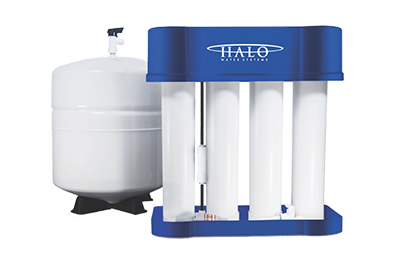
Halo Ultra Plus RO
- Advanced Reverse Osmosis Technology
- High Efficiency Filtration
- Durable Construction
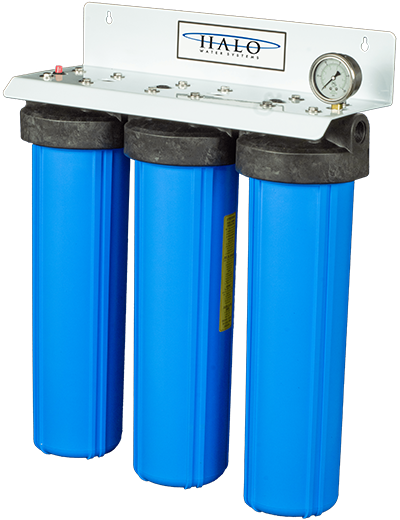
Halo Mini Series
- Compact & Space-Saving Design
- Efficient Performance
- Easy Maintenance

Halo 5
- High Capacity Filtration
- Enhanced Water Purity
- Reliable Operation
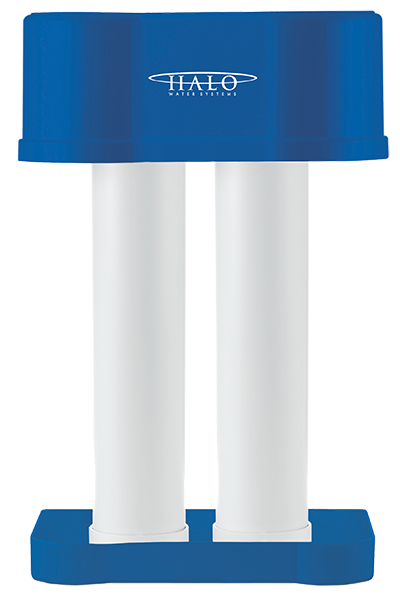
Halo Hydro Point
- Optimized Water Flow
- Superior Purification
- Energy Efficient
Water Treatment Systems and Local Water Quality Challenges
Choosing the right water treatment system depends on what is affecting the water, where the problem occurs, and how much treated water the household uses. Woodward Plumbing installs and services water softeners, whole-house water filtration systems, reverse osmosis systems, drinking water systems, and multi-stage treatment equipment for McMinnville homes. Each recommendation is based on water testing, plumbing conditions, available space, flow requirements, and the homeowner’s priorities.
Water Softener Installation for Hard Water
Hard water contains dissolved calcium and magnesium. These hard minerals can leave spots on dishes, create chalky buildup on faucets and shower glass, reduce soap performance, and contribute to scale inside water heaters and other water-using appliances. A properly sized water softening system removes hardness minerals before they circulate through the home.
Our water softener installation in McMinnville includes reviewing water hardness, household demand, plumbing size, drainage access, equipment placement, and regeneration requirements. Correct sizing helps the system provide consistent softened water without excessive salt or water usage.
Whole-House Water Filtration
A whole-house water filter treats water near the point where the main water line enters the home. Depending on the filtration media and system design, whole-house filtration may help reduce sediment, chlorine-related taste or odor, iron, discoloration, and other water quality concerns identified through testing.
Whole-house water filtration is often appropriate when the problem affects multiple fixtures rather than only the kitchen tap. Sediment filters can help protect valves and plumbing fixtures, while more advanced water filtration systems may use multiple treatment stages to address several concerns. The best configuration depends on the water source and verified test results, not appearance alone.
Reverse Osmosis and Drinking Water Purification
A reverse osmosis system provides point-of-use treatment for drinking and cooking water. Reverse osmosis technology pushes water through a specialized membrane and additional filters to reduce many dissolved substances that standard sediment or carbon filters may not address.
RO water systems are commonly installed beneath a kitchen sink with a dedicated drinking water faucet. Our reverse osmosis system installation in McMinnville can include the purification system, storage tank, filtration stages, faucet connection, and final performance testing. Depending on the water test, reverse osmosis may be considered for concerns involving nitrates, arsenic, dissolved minerals, taste, or odor.
Multi-Stage Water Treatment Solutions
One piece of equipment may not solve every water quality problem. A home with hard water, sediment, and a drinking water concern may benefit from a combination of treatment methods. For example, a sediment filter can protect downstream equipment, a water softener can address calcium and magnesium, and a reverse osmosis system can provide additional purification at the kitchen sink.
Woodward Plumbing considers how each treatment stage works together, the order in which equipment should be installed, pressure loss across the system, maintenance requirements, and the available flow rate. This helps create a water filtration solution that supports the whole plumbing system instead of creating weak pressure or unnecessary complexity.
Common Water Problems in McMinnville and Yamhill County
Mineral Scale and Reduced Appliance Performance
Hard water scale can develop inside plumbing fixtures, dishwashers, washing machines, and water heaters. Over time, mineral accumulation may restrict flow, reduce heating efficiency, and shorten the useful life of valves or heating components. Addressing hardness can help reduce future scale, but existing buildup or damaged plumbing parts may also require service.
Homes experiencing hot water problems alongside heavy mineral buildup may need the water treatment equipment and the water heater evaluated together. Woodward Plumbing also provides water heater repair and installation in McMinnville when sediment, scale, age, or equipment failure is affecting hot water performance.
Iron, Sediment, Staining, and Discolored Water
Iron can leave reddish-brown stains in sinks, toilets, tubs, and laundry. Sediment may make water appear cloudy, collect in faucet aerators, or create grit in fixtures. These symptoms can come from the water source, a private well, pressure tanks, aging pipes, or disturbances in the water line.
Testing and plumbing inspection help determine whether filtration alone is appropriate or whether a water line, pressure, or corrosion issue also needs attention. A filter selected only by appearance may clog quickly or fail to treat dissolved iron that requires a different treatment method.
Private Well Water Concerns
Private well owners are responsible for monitoring their own water quality. Well water can change over time due to groundwater conditions, nearby land use, flooding, equipment problems, or damage around the well system. Depending on local conditions, testing may be recommended for coliform bacteria, nitrates, arsenic, iron, hardness, pH, and other contaminants.
Pressure tanks and well equipment can also influence flow and pressure through a treatment system. Before expert installation, our plumbers consider the pressure range, available flow rate, treatment equipment requirements, and plumbing connections. Water containing coliform bacteria or another health-related contaminant should be evaluated using appropriate laboratory testing and treatment recommendations rather than relying on taste, odor, or clarity.
Changes in Taste, Odor, or Water Clarity
A sudden change in taste, smell, staining, or clarity should not automatically be blamed on the filter. Expired filter media, stagnant plumbing, a disturbed water line, changes in the source water, water heater conditions, or bacterial concerns can create similar symptoms. Identifying when the change began and which fixtures are affected helps narrow the cause.
Homeowners can safely check whether the issue occurs at both hot and cold taps, whether it affects every fixture, and when the existing filters were last replaced. Plumbing modifications, pressure adjustments, water heater work, and contaminant treatment should be handled by qualified professionals.
Our Water Treatment Installation Process
1. Evaluate the Water and Plumbing System
We begin by discussing the symptoms, water source, available test results, household water usage, and treatment goals. Our plumbers review the main water line, pipe size, water pressure, drainage, power requirements, equipment space, water heater location, pressure tanks, and existing filtration equipment where applicable.
2. Explain the Available Treatment Options
Woodward Plumbing explains what the test results and plumbing conditions indicate, which contaminants or hard minerals the proposed system is designed to reduce, and what ongoing maintenance it requires. We also discuss whether one system is sufficient or whether whole-house filtration, water softening, and point-of-use purification should be combined.
3. Complete the Installation and Test the System
During installation, our plumbers make the necessary plumbing connections, install bypass and shutoff components where appropriate, connect drainage or storage components, and configure the equipment for the home. We then inspect for leaks, verify pressure and flow, test system operation, clean the work area, and show the homeowner how to monitor and maintain the equipment.
Maintaining Your Water Treatment System
Water treatment systems require routine service to continue performing as intended. Maintenance may include replacing sediment and carbon filters, replenishing water softener salt, sanitizing drinking water equipment, changing reverse osmosis membranes, checking pressure tanks, and reviewing system settings. The exact schedule depends on water usage, incoming water quality, equipment type, and manufacturer guidance.
Testing the water again can be helpful when taste, odor, staining, pressure, or clarity changes. It can also confirm whether the treatment system is still addressing the original concern. Homeowners seeking a broader comparison of system types can review the best water filtration systems for Oregon homes and learn how different filtration and purification methods are used.
What Affects the Cost of Water Treatment?
The cost of water treatment services depends on the contaminants or minerals being addressed, system size, treatment stages, plumbing accessibility, equipment location, household flow requirements, existing water pressure, drainage needs, and whether related water line or plumbing corrections are required. A basic drinking water filter generally involves a different scope than whole-house filtration, water softening, or a multi-stage treatment system for well water.
Woodward Plumbing offers financing options for larger plumbing repairs, system upgrades, and new installations. If cost is a concern, visit our financing options page or ask our team about available options before work begins.