Water Treatment Systems for Corvallis Homes
The right treatment approach depends on what is present in the water and where the problem needs to be addressed. Woodward Plumbing evaluates the water supply, existing equipment, plumbing layout, available installation space, pressure, flow rate, and household demand before recommending a system. That may involve one treatment method or a combination of water filtration, softening, and purification technologies.
Water Softeners for Calcium and Magnesium
Hard water contains elevated levels of calcium and magnesium. These hard minerals can leave white spots on fixtures, create scale inside pipes and appliances, make soap harder to rinse away, and reduce the efficiency of water heaters. A properly sized water softening system helps reduce hardness throughout the home and can make routine cleaning and laundry easier.
System sizing matters. Household size, water hardness, peak demand, plumbing capacity, and regeneration settings all affect performance. Woodward Plumbing provides water softener installation in Corvallis with recommendations based on actual water conditions rather than equipment size alone.
Whole-House Water Filtration
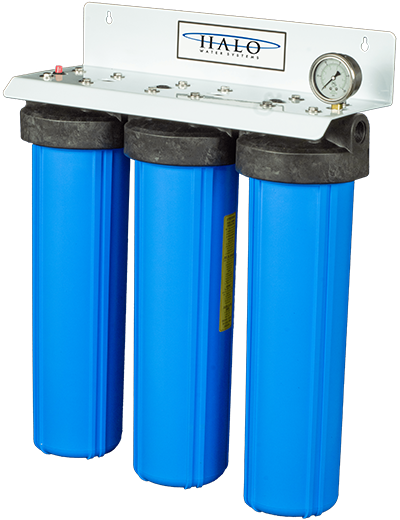
A whole-house water filter treats water as it enters the home, helping reduce selected contaminants before the water reaches faucets, showers, appliances, and water heaters. Depending on the media and system design, whole-house water filtration may help with sediment, iron, unpleasant tastes, odors, discoloration, and other water quality concerns.
Filter selection should be based on testing and the specific contaminants present. A basic sediment filter will not address the same issues as carbon filtration, specialty media, or a multi-stage system. Homeowners dealing with broad water quality concerns can learn more about the differences between common options in our explanation of the best water filtration systems for Oregon homes.
Reverse Osmosis Drinking Water Systems
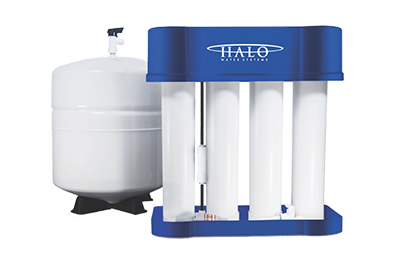
A reverse osmosis system is commonly installed near a kitchen sink to provide treated water for drinking and cooking. Reverse osmosis technology uses a semi-permeable membrane and multiple filtration stages to reduce many dissolved substances and selected contaminants. The result is a dedicated source of RO water rather than treatment at every fixture.
Woodward Plumbing can evaluate available cabinet space, water pressure, drain access, storage capacity, and household use before completing reverse osmosis system installation. A point-of-use system may be used by itself or paired with a whole-house treatment system when a home has both general water quality concerns and specific drinking water needs.
Water Purification and Combined Treatment Systems
Some homes require more than one type of equipment. Hardness, sediment, iron, arsenic, nitrates, coliform bacteria, and other contaminants do not all respond to the same treatment method. A combined water treatment system may include prefiltration, a water softener, specialty filtration media, ultraviolet treatment, or a reverse osmosis purification system.
Professional water testing helps determine which treatment stages are appropriate and which are unnecessary. Woodward Plumbing’s water purification system installation services are designed around the home’s water source, test results, plumbing configuration, and intended use.
Common Water Quality Challenges in Corvallis
Mineral Scale and Hard Water Buildup
Scale around faucets, spots on glassware, stiff laundry, and reduced hot water performance may indicate elevated hardness. Calcium and magnesium can also collect inside water lines, heating elements, fixtures, and appliance connections. Treating the water may help reduce future buildup, but existing scale or plumbing damage may still need separate attention.
Sediment, Iron, Staining, and Discoloration
Visible particles, cloudy water, orange or reddish staining, and metallic tastes can point to sediment or iron. These problems may originate from the water source, pressure tank, aging water line, plumbing materials, or nearby equipment. The first step is identifying the source so the filtration solution addresses the actual cause rather than only masking a symptom.
Private Well and Rural Water Concerns
Homes supplied by private wells may need periodic testing for nitrates, arsenic, coliform bacteria, iron, hardness, and other locally relevant contaminants. Pressure tanks, pumps, and changes in the well or surrounding land can also affect water clarity, pressure, taste, and treatment performance. Testing is especially useful after flooding, well work, changes in taste or odor, or long periods without evaluation.
Water Quality Problems Affecting Plumbing Equipment
Untreated hard minerals and sediment can affect faucets, valves, water heaters, washing machines, dishwashers, and other water-using equipment. Water heater performance may decline as sediment collects inside the tank or on heating components. Homeowners noticing reduced hot water, unusual noises, or rising energy use may also benefit from an evaluation of their water heater system.
How Woodward Plumbing Evaluates and Installs Water Treatment Systems
1. Identify the Water Quality Problem
Our plumbers begin by discussing the symptoms you have noticed and reviewing the water source, plumbing system, existing filters, pressure tank, water heater, fixtures, and treatment equipment. Water testing may be recommended to measure hardness or identify contaminants that cannot be confirmed by taste, appearance, or odor alone.
2. Compare the Treatment Options
We explain which systems are designed to address the test results, what each option will and will not remove, expected maintenance, filter replacement needs, available installation space, and factors that affect cost. The recommendation may involve a water softener, whole-house water filter, reverse osmosis system, purification equipment, or a combined solution.
3. Complete the Installation and Testing
Expert installation includes connecting the equipment to the appropriate water line, setting up bypass and drainage components where needed, checking pressure and flow, testing for leaks, and confirming that the system operates correctly. Before leaving, our team explains basic operation, maintenance intervals, filter changes, and signs that the equipment may need service.
Maintaining Your Water Treatment Equipment
Water treatment systems need routine care to continue working as intended. Maintenance may include replacing filtration cartridges, replenishing softener salt, cleaning components, checking pressure, sanitizing equipment, inspecting drain connections, and retesting the water when conditions change.
Homeowners should not assume that clear water means every treatment stage is still performing correctly. Follow the manufacturer’s service schedule, watch for changes in taste, odor, staining, scale, pressure, or flow, and arrange testing when a private well or water quality concern warrants it. Our overview of how water treatment systems work provides additional guidance on filtration, purification, and ongoing system care.