Water Treatment Services and Common Albany Water Quality Challenges
Water treatment should be based on what is actually present in the water, how the household uses it, and where the problem appears. Woodward Plumbing evaluates water quality, existing plumbing, water pressure, available installation space, and treatment goals before recommending equipment. Our water treatment services may include whole-house filtration, water softening, reverse osmosis drinking water systems, purification equipment, sediment filtration, system replacement, filter service, and plumbing modifications needed for expert installation.
Hard Water and Mineral Scale
Hard water contains elevated levels of calcium and magnesium. These hard minerals can leave white deposits on faucets and shower doors, create spots on dishes, reduce soap performance, stiffen laundry, and accumulate inside plumbing fixtures and appliances. Mineral scale can also collect inside water heaters, where it may reduce efficiency and contribute to noise, inconsistent hot water, or premature component wear.
A properly sized water softening system exchanges hardness minerals for softened water before they circulate throughout the house. Woodward Plumbing considers water hardness, household size, water usage, flow rate, available space, and regeneration requirements before recommending a system. Homeowners deciding between different approaches can review how a water softener compares with a whole-house filter, since the two systems solve different water quality problems.
Iron, Sediment, Staining, and Unpleasant Water
Iron may cause orange or reddish staining in sinks, toilets, tubs, and laundry. Sediment can make water appear cloudy, collect in faucet aerators, clog filters, and place additional strain on fixtures and appliances. Some households also notice metallic flavors, earthy odors, chlorine-related tastes, or changes in water clarity.
These symptoms do not always have the same cause. Woodward Plumbing can help determine whether the solution involves a sediment filter, carbon filtration, iron treatment, a whole-house water filter, plumbing repairs, or a combination of systems. Our educational overview of how residential water treatment systems work explains why different contaminants and water-quality concerns require different treatment methods.
Private Wells, Pressure Tanks, and Changing Water Conditions
Rural properties near Albany may depend on private wells, pressure tanks, and longer water lines. Well water quality can change because of groundwater conditions, seasonal influences, nearby land use, plumbing materials, or problems within the well system. Testing may be appropriate when there is a sudden change in taste, smell, color, pressure, or clarity, or when the household is concerned about nitrates, arsenic, coliform bacteria, iron, sediment, or other contaminants.
A treatment system cannot correct every problem originating in the plumbing or water supply. Low pressure, damaged piping, leaks, corrosion, or pressure-tank problems may need to be addressed separately. Woodward Plumbing can evaluate related plumbing concerns and provide water line repair or replacement in Albany when the incoming line is affecting flow, pressure, or water quality.
Contaminants That Require Targeted Treatment
Concerns involving arsenic, nitrates, coliform bacteria, and other contaminants should begin with appropriate laboratory testing. The treatment method depends on what is detected, the concentration, the water chemistry, and whether the goal is to treat all household water or only drinking and cooking water.
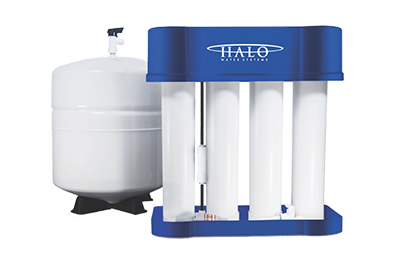
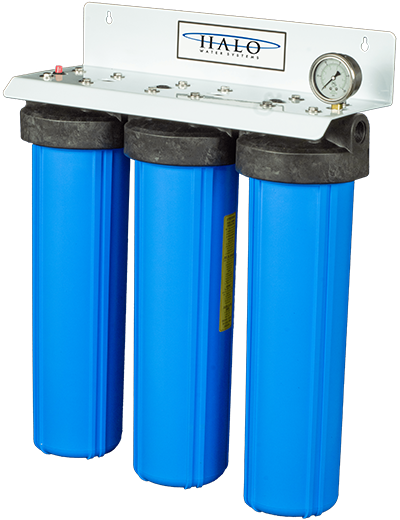
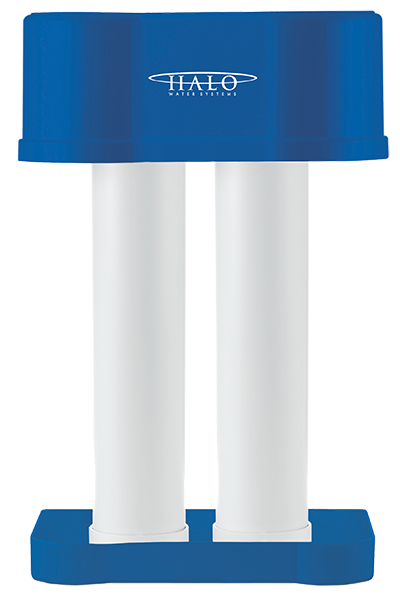
Reverse osmosis technology may reduce many dissolved contaminants at a dedicated drinking-water fixture, while whole-house water filtration may be appropriate for sediment, odor, taste, chlorine, iron, or other identified concerns. Some situations require disinfection, prefiltration, specialty media, or more than one treatment stage. Woodward Plumbing explains what each proposed system is designed to reduce and does not represent one product as a universal purification solution.
Water Treatment Systems for Water Heater Protection
Water quality directly affects water heaters. Hard minerals and sediment can settle at the bottom of a tank, coat heating components, restrict flow, and reduce heat transfer. Tankless equipment can also develop mineral scale within its heat exchanger when water hardness is not properly managed.
Treating hardness and sediment may help protect the plumbing system and support more consistent equipment performance, but existing water-heater problems still require separate diagnosis. Woodward Plumbing also provides water heater repair and installation in Albany when mineral buildup, age, leaks, or component failure have already affected the system.
Our Water Treatment Installation Process
1. Test the Water and Inspect the Plumbing
We begin by discussing the household’s concerns and reviewing symptoms such as scale, staining, odors, sediment, poor taste, or appliance problems. Depending on the situation, testing may measure hardness, iron, pH, total dissolved solids, nitrates, arsenic, coliform bacteria, or other contaminants. We also inspect water pressure, the main water line, shutoff access, drain requirements, pressure tanks, and the location where treatment equipment may be installed.
2. Explain the Treatment Options
Woodward Plumbing explains what the test results indicate, which problems each system may address, and where its limitations apply. We compare whole-house water filtration, water softeners, reverse osmosis systems, point-of-use drinking water systems, and combined treatment setups when appropriate. Recommendations account for system capacity, filter replacement, salt use, wastewater, available space, maintenance, and the expected demands of the household.
3. Complete the Installation and Test the System
Our plumbers complete the necessary plumbing connections, install bypass valves and drains when required, set up the equipment, and check the system for proper pressure and flow. After installation, we test the equipment, confirm that the plumbing connections are secure, clean the work area, and explain filter changes, salt replenishment, sanitization, and other routine maintenance.
Choosing Between Filtration, Softening, and Purification
A water softener primarily addresses calcium and magnesium. A whole-house water filtration system is selected to reduce identified substances such as sediment, iron, chlorine-related taste or odor, or other contaminants matched to the filter media. A reverse osmosis system treats water at a specific drinking-water fixture and may reduce a broad range of dissolved substances through staged filtration and a membrane.
Some Albany homes need only one type of equipment, while others benefit from a combined system. For example, a home may use sediment filtration before a water softener, followed by RO water at the kitchen sink. Another property may need iron treatment, whole-house carbon filtration, or a purification system selected around confirmed test results. Woodward Plumbing focuses on solving the actual water-quality problem without adding equipment that does not provide a clear household benefit.
What Affects the Cost of Water Treatment?
The cost of water treatment depends on the contaminants being addressed, the type and capacity of the equipment, the number of treatment stages, household water usage, installation access, existing plumbing condition, pressure requirements, drain availability, filter type, and whether the main water line or related plumbing must be modified. Private-well properties may also require additional testing or equipment associated with pressure tanks and changing groundwater conditions.
Woodward Plumbing provides clear recommendations before installation begins. For larger treatment systems, plumbing upgrades, or combined filtration and softening projects, financing options for plumbing installations may be available.
Maintaining Your Water Treatment System
Routine maintenance helps water filtration systems continue to perform as intended. Filters should be replaced according to water usage, contaminant levels, and manufacturer recommendations. Water softeners require proper salt levels and occasional inspection, while reverse osmosis systems need scheduled prefilter, postfilter, and membrane service. Water should be tested again when taste, odor, staining, sediment, or water pressure changes unexpectedly.
Homeowners should avoid changing treatment settings, bypassing safety components, or installing unverified filters that may restrict flow or fail to address the identified contaminant. Professional service is especially important when treatment equipment connects to a well, pressure tank, drain, electrical supply, or whole-house water line.